

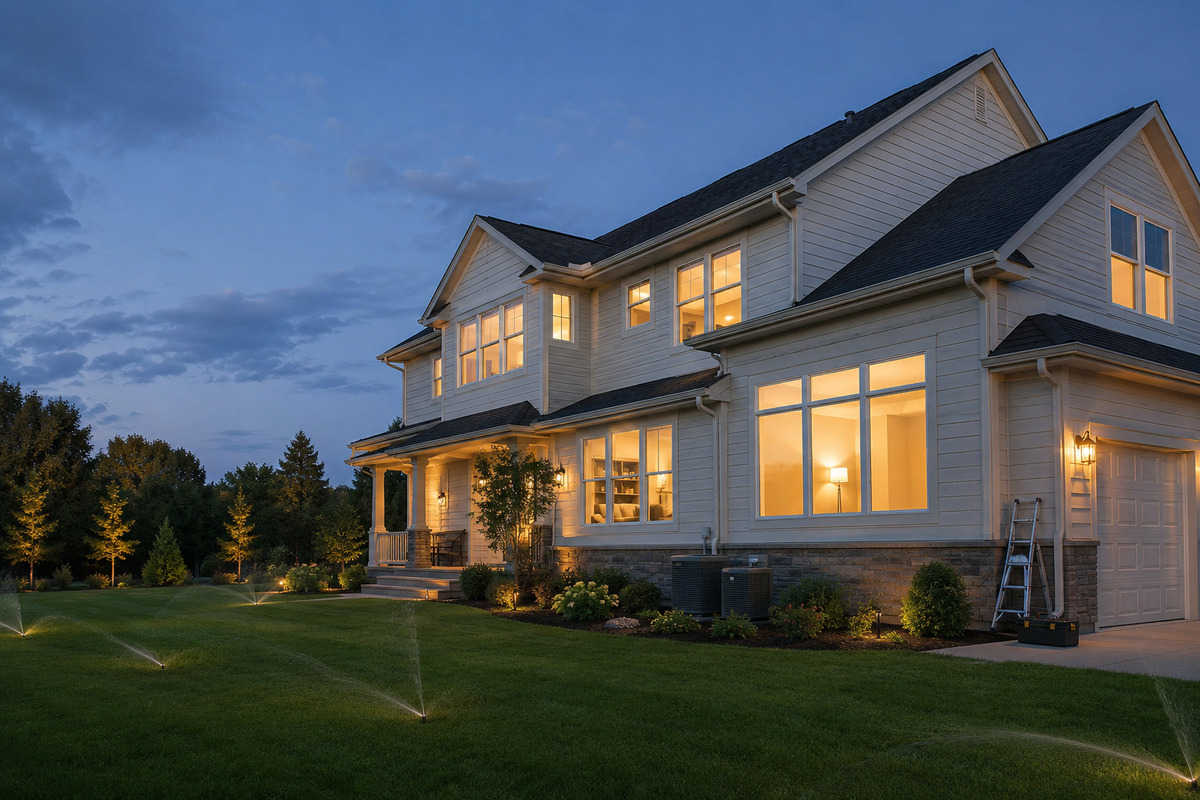
 A larger home can offer extra bedrooms, more storage, and additional space for entertaining or working from home. While those benefits may be appealing, the purchase price is only one part of the financial picture. Bigger homes often bring higher ongoing expenses that are easy to underestimate during the excitement of house hunting. Understanding these costs can help you decide how much space truly fits your lifestyle and budget.
Higher Utility Expenses
More square footage generally requires more energy to heat, cool, and light. Homes with high ceilings, multiple HVAC systems, large windows, or older insulation may cost significantly more to operate. Ask for available utility history and consider how seasonal temperatures may affect your monthly budget.
Greater Maintenance and Repair Costs
A larger property usually contains more flooring, roofing, plumbing, windows, and exterior surfaces to maintain. Even routine projects such as painting, cleaning gutters, replacing flooring, or servicing heating and cooling equipment may cost more because there is simply more home to care for.
Additional Furnishing Costs
Empty rooms can create pressure to purchase furniture, window treatments, rugs, lighting, and decor. These expenses may not occur on closing day, but they can add up quickly after moving. Consider whether you already own enough furnishings or whether completing the home will require a larger post-closing budget.
Taxes, Insurance, and Yard Care
Larger homes and lots may come with higher property taxes and homeowners insurance premiums. A bigger yard can also require more water, landscaping, equipment, and professional maintenance. If the community has an HOA, larger properties may carry additional responsibilities or fees.
The right home is not necessarily the largest home you can afford. It is the one that provides the space you need while allowing you to comfortably manage the full cost of ownership. Looking beyond the purchase price can help you choose a home that supports your lifestyle without creating unnecessary financial strain.
Before deciding that more space is automatically better, compare the monthly and annual costs of each property you are considering. A slightly smaller home may leave more room for savings, travel, improvements, and the other priorities that make homeownership enjoyable.
